Moss B Ware vs Moss Out: Which Actually Works on a Roof?
Wow Wash 360 Team
May 30, 2026 • 7 min read
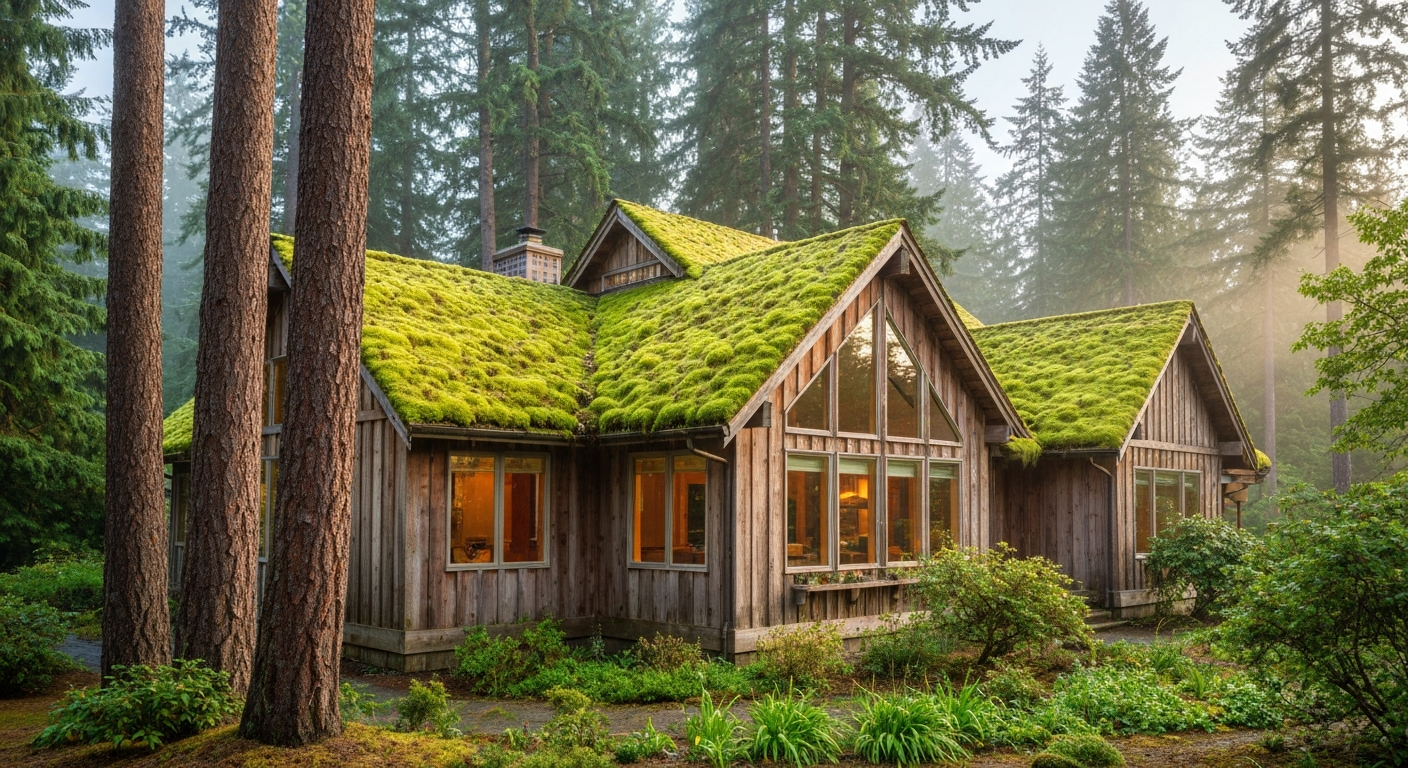
If you live in the Pacific Northwest, you already know that keeping your roof free of moss is a constant, ongoing battle. The damp, shaded, and frequently rainy environment of our region creates the absolute perfect breeding ground for thick green growth on asphalt shingles. When homeowners finally decide they’ve had enough and head to the local hardware store for a DIY solution, they usually end up in the gardening aisle staring at two popular, widely available products side-by-side: Moss B Ware and Moss Out. But which one is actually worth your time, your money, and the effort of climbing up a ladder? In this honest, detailed comparison of Moss B Ware vs Moss Out, we break down exactly what you need to know before putting either chemical product on your home's roof.
What's actually in each product
The biggest and most important difference between these two popular products is their active chemical ingredients and how those chemicals interact with organic growth. Moss B Ware relies on zinc sulfate monohydrate as its primary active ingredient. Zinc is a proven, traditional, and time-tested method for altering the pH balance of the roof surface. By changing the pH, it makes the environment completely inhospitable for moss to grow or thrive. It works relatively slowly compared to harsh chemicals, but it provides a long-lasting, reliable residual effect that prevents new spores from taking root.
On the other hand, Moss Out typically uses ammoniated soap of fatty acids or ferrous sulfate (iron), depending on the specific liquid or granular formula you purchase. These ingredients are explicitly designed for a much faster, more immediate chemical burn on the moss. While they can turn the green moss black or brown very quickly—giving you immediate visual satisfaction—they do not always offer the same long-term preventative barrier as zinc-based products. Essentially, one is a fast-acting killer, and the other is a slow-acting preventative measure.
Application
When comparing Moss Out vs Moss B Ware in terms of application methods, you will find two very different approaches that dictate how much effort the job will take. Moss B Ware is incredibly versatile and user-friendly for the average homeowner. It comes as a dry powder that can be sprinkled directly along the ridge cap of your roof. As the natural Pacific Northwest rain falls, it slowly dissolves the powder and washes the zinc down the slope of the roof, treating the shingles naturally over time. You can also choose to mix it with water in a pump sprayer and apply it directly for a more targeted, immediate application.
Moss Out is generally sold as a liquid concentrate, a ready-to-spray hose-end formula, or heavy granules. It almost always requires you to actively wet the roof and apply the product directly and thoroughly to the existing moss. This means you need a dry day to apply it, and you have to wait for it to work its magic. While Moss Out shows visual results much faster (often within hours or a few days), Moss B Ware's dry application method is often significantly easier and much safer, primarily because you do not have to walk around on a wet, dangerously slippery roof to apply it.
Cost per application
At first glance, both products are relatively inexpensive for a single container, usually ranging anywhere from $15 to $30 at your local hardware stores or garden centers. However, the true cost of the product depends heavily on the total square footage of your roof and how frequently you need to reapply it to keep the moss at bay. Moss Out might require much more frequent applications throughout the year because its residual, preventative effect is notably shorter. Moss B Ware, especially when applied generously in its dry form along the roof ridge, can provide many months of continuous protection from a single, strategic application. This makes it slightly more cost-effective and far less labor-intensive in the long run for ongoing preventative maintenance.
Safety
Safety is always a major concern when applying any type of chemical to your home's exterior. Both of these products require strict caution and adherence to the manufacturer's warning labels. Moss Out (especially the iron-based ferrous sulfate versions) is notorious in the exterior cleaning industry for severely staining concrete driveways, sidewalks, and painted siding with permanent, bright rust-colored marks if it accidentally drips or runs off the roof during application or rain. It can also be very harsh on delicate landscaping plants and pets if not heavily diluted and thoroughly rinsed immediately after application.
Moss B Ware (zinc sulfate) is generally considered safer around concrete surfaces and will not cause those dreaded orange rust stains. However, it is not entirely benign; high concentrations of zinc runoff can still be harmful to aquatic life in local streams and can damage highly sensitive landscaping plants directly beneath your roof's drip line. Neither product is completely harmless, and both require careful, deliberate application to avoid damaging metal roof flashing, aluminum gutters, or your prized garden beds.
Which one should you use?
If we have to make a direct, professional recommendation for a DIY homeowner living in the wet Pacific Northwest, Moss B Ware is unequivocally the better choice for routine preventative maintenance. The unique ability to apply it dry along the roof ridge without ever having to walk on wet, slippery, and dangerous shingles is a massive safety advantage that cannot be overstated. Furthermore, the peace of mind knowing it won't leave disastrous, permanent rust stains on your expensive concrete driveway or siding like Moss Out can is worth the slightly slower acting time. While it does take longer to visibly kill existing moss, its long-lasting preventative qualities make it vastly superior for keeping an already clean roof clear of new growth.
When to stop treating and call a professional
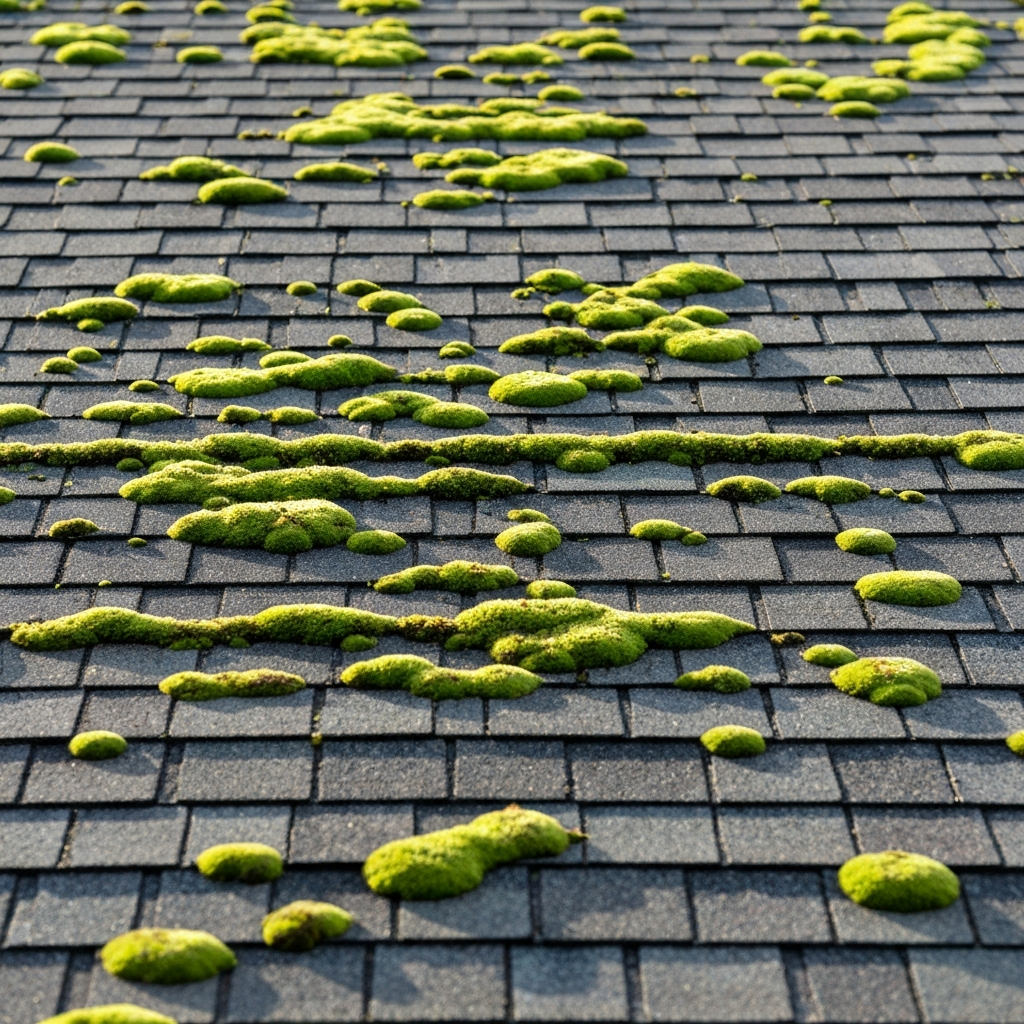
It is absolutely critical to understand that neither of these DIY products will magically make thick, deeply established moss disappear into thin air. If your roof has heavy, carpet-like moss growth that is already lifting your asphalt shingles, chemical treatments alone are simply not enough. The dead moss will remain physically attached to the roof, continuing to trap moisture against the decking and continuing to cause structural damage. At this advanced stage, the moss requires careful physical removal and a commercial-grade soft wash treatment to protect the structural integrity of your home. If your shingles are lifting or the moss is thicker than a quarter-inch, put down the chemicals and look into professional roof cleaning to safely restore your roof without voiding your manufacturer's warranty.
Not sure which your roof needs? We'll take a look for free.
Get a Free QuoteWelcome to your go-to destination for exterior cleaning tips. Dive deep into our content pool curated meticulously to help you maintain and protect your home's curb appeal.
Featured Posts
Explore Categories
Ready to Protect Your Home?
Whether you need a soft wash for your roof or a deep clean for your concrete, our expert team is here to help. Request a free quote today and let us restore your property's curb appeal.
